
Services
Skin Cancer Surgery
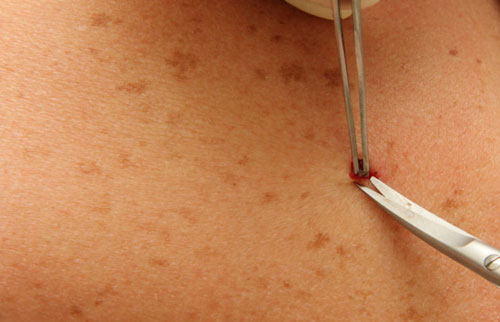
Skin cancer is one of the most common forms of cancer worldwide. When detected early, most skin cancers can be treated successfully with excellent outcomes. Skin cancer surgery involves the precise removal of cancerous or potentially cancerous skin lesions while preserving as much healthy tissue as possible.
Early diagnosis, timely treatment, and regular follow-up play a vital role in preventing the spread of skin cancer and achieving the best possible results. Treatment plans are individualized based on the type, size, location, and stage of the skin cancer.
Understanding Skin Cancer
Skin cancer develops when abnormal skin cells grow uncontrollably. While some skin cancers grow slowly, others can spread if not diagnosed and treated promptly.
- Basal Cell Carcinoma (BCC)
- Squamous Cell Carcinoma (SCC)
- Melanoma
- Precancerous skin lesions
- Rare skin malignancies
Warning Signs of Skin Cancer
Certain skin changes should never be ignored and may require immediate dermatological evaluation.
- New or changing moles
- Persistent skin sores that do not heal
- Bleeding or crusting skin lesions
- Rapidly growing skin growths
- Changes in color, size, or shape of existing moles
- Persistent itching, pain, or tenderness
- Dark or irregular skin patches
- Recurring skin ulcers
Risk Factors for Skin Cancer
Several factors may increase the risk of developing skin cancer.
- Excessive sun exposure
- Frequent sunburns
- Fair skin and light complexion
- Family history of skin cancer
- Previous history of skin cancer
- Use of tanning beds
- Weakened immune system
- Increasing age
Diagnosis & Evaluation
Accurate diagnosis is essential for planning the most effective treatment approach.
- Detailed skin examination
- Dermatoscopic evaluation
- Skin biopsy and histopathology
- Assessment of lesion size and depth
- Evaluation of surrounding tissues
Skin Cancer Surgery Options
Treatment is individualized based on the diagnosis and extent of the disease.
- Surgical Excision: Complete removal of cancerous tissue with an adequate safety margin.
- Excision of Precancerous Lesions: Removal of suspicious or precancerous growths before progression.
- Reconstructive Procedures: Repair of the surgical area to optimize cosmetic and functional outcomes.
- Follow-Up Surveillance: Regular monitoring to detect recurrence or new lesions early.
Benefits of Early Treatment
Early diagnosis and treatment of skin cancer provide the best chance for successful outcomes.
- Higher treatment success rates
- Reduced risk of cancer spread
- Smaller surgical procedures
- Better cosmetic outcomes
- Lower risk of complications
- Improved long-term prognosis
- Peace of mind and reassurance
Prevention & Skin Protection
Protecting your skin from harmful UV radiation can significantly reduce the risk of skin cancer.
- Use broad-spectrum sunscreen daily
- Avoid excessive sun exposure
- Wear protective clothing and hats
- Avoid tanning beds
- Perform regular skin self-examinations
- Schedule periodic dermatological check-ups
When Should You Consult a Dermatologist?
You should seek dermatological evaluation if you notice a changing mole, a non-healing sore, unusual skin growths, persistent skin ulcers, or any suspicious skin lesion that changes in size, color, shape, or appearance.
Early diagnosis and prompt treatment are essential for achieving the best possible outcomes.
Expert Care with Dr. Surabhi Jain
Dr. Surabhi Jain provides comprehensive skin cancer evaluation, screening, biopsy, and surgical management using evidence-based dermatological techniques. The focus is on early detection, precise treatment, optimal cosmetic outcomes, and long-term patient care.
Book your consultation today for expert skin evaluation, early diagnosis, and personalized treatment.