
Services
Genital Warts Treatment
Genital warts are one of the most common sexually transmitted infections (STIs), caused by certain types of the Human Papillomavirus (HPV). They appear as small, soft growths around the genital or anal region and may vary in size and number. While genital warts are generally not life-threatening, they can cause discomfort, cosmetic concerns, and emotional distress if left untreated.
Early diagnosis and appropriate treatment can help remove visible warts, relieve symptoms, reduce the risk of transmission, and improve overall sexual health. Treatment is personalized based on the size, number, and location of the warts.
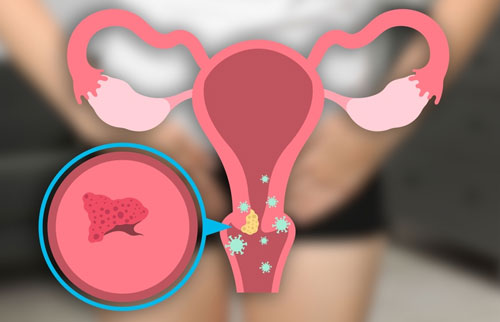
What Are Genital Warts?
Genital warts are soft, flesh-colored growths that develop on the skin or mucous membranes of the genital and anal areas due to HPV infection. Some individuals may have a single wart, while others may develop multiple lesions. In many cases, HPV infection may remain unnoticed until visible warts appear.
- Small flesh-colored or pink bumps
- Single or multiple wart-like growths
- Flat or cauliflower-like appearance
- Growths around the genital or anal area
- May increase in size if untreated
- Can occur in both men and women
Common Signs & Symptoms
Some people experience no symptoms, while others may notice visible growths or discomfort in the affected area.
- Small painless bumps around the genital area
- Clusters of wart-like growths
- Itching or irritation
- Discomfort during sexual activity
- Occasional bleeding due to friction
- Anal warts in some individuals
Risk Factors
Certain factors may increase the likelihood of developing genital warts.
- Unprotected sexual contact
- Multiple sexual partners
- Previous HPV infection
- Weakened immune system
- Early onset of sexual activity
- Partner diagnosed with HPV or genital warts
Diagnosis & Evaluation
Diagnosis is usually made through a clinical examination. Additional investigations may be recommended in selected cases.
- Detailed medical history
- Physical examination
- Dermatoscopic assessment
- HPV-related evaluation when indicated
- Biopsy in selected cases
- Screening for associated sexually transmitted infections if required
Available Treatment Options
The choice of treatment depends on the size, number, and location of the warts, as well as the patient's overall health.
- Prescription Medications: Topical medicines to gradually remove selected genital warts.
- Cryotherapy: Freezing the warts using liquid nitrogen for effective removal.
- Electrocautery: Removal of warts using controlled electrical energy.
- Laser Treatment: Advanced option for extensive or recurrent genital warts.
- Surgical Excision: Removal of larger or persistent warts under appropriate medical care.
- Follow-Up Care: Regular monitoring to detect recurrence and ensure complete healing.
Prevention Tips
Preventive measures can significantly reduce the risk of HPV infection and genital warts.
- Practice safer sexual practices
- Use appropriate protection during sexual activity
- Consider HPV vaccination as recommended
- Attend regular health check-ups
- Avoid self-treatment of genital lesions
- Seek early medical evaluation for suspicious growths
Why Early Treatment Is Important
Timely treatment helps prevent the spread of warts, reduces discomfort, lowers the chance of transmission, and improves treatment outcomes. Although treatment removes visible warts, regular follow-up may be necessary because recurrence is possible.
- Removes visible warts safely
- Relieves irritation and discomfort
- Reduces risk of transmission
- Prevents increase in the number of warts
- Improves confidence and quality of life
When Should You Consult a Dermatologist?
You should consult a dermatologist if you notice any wart-like growths in the genital or anal area, persistent itching, discomfort, recurrent lesions, or if your partner has been diagnosed with genital warts or HPV.
Early medical evaluation ensures accurate diagnosis, effective treatment, and appropriate guidance regarding prevention and follow-up.
Expert Care with Dr. Surabhi Jain
Dr. Surabhi Jain provides confidential, compassionate, and evidence-based care for genital warts and HPV-related skin conditions. Individualized treatment plans are designed to safely remove lesions, minimize recurrence, and promote long-term sexual and skin health.
Book your confidential consultation today for expert diagnosis, effective treatment, and personalized care for genital warts.