
Services
Scar Revision
Scars can develop after acne, injuries, burns, surgeries, infections, or skin conditions. While some scars fade naturally over time, others may remain visible, raised, depressed, discolored, or affect self-confidence. Scar revision treatments aim to improve the appearance, texture, and overall quality of the skin while minimizing the visibility of scars.
Modern dermatology offers several advanced and minimally invasive treatment options that can significantly improve different types of scars. Treatment plans are individualized based on the type, size, location, and severity of the scar, as well as the patient's skin type and expectations.
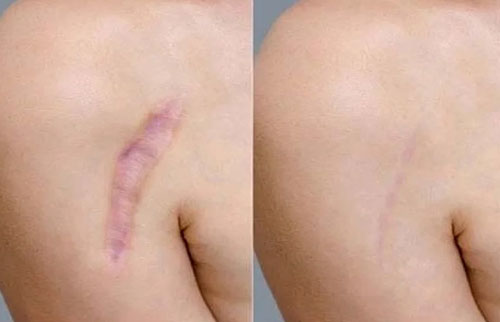
Understanding Different Types of Scars
Scars can vary greatly in appearance and require different treatment approaches.
- Acne scars
- Surgical scars
- Traumatic injury scars
- Burn scars
- Hypertrophic scars
- Keloid scars
- Atrophic or depressed scars
- Post-inflammatory pigmentation scars
Common Concerns Associated with Scars
Scars may cause both cosmetic and functional concerns depending on their location and severity.
- Visible skin marks and discoloration
- Uneven skin texture
- Raised or depressed scars
- Skin tightness or discomfort
- Restricted movement in severe scars
- Persistent redness or pigmentation
- Loss of confidence and emotional distress
Evaluation & Diagnosis
A detailed dermatological evaluation helps determine the most suitable scar revision approach.
- Assessment of scar type and depth
- Evaluation of skin texture and pigmentation
- Review of previous treatments
- Assessment of skin type and healing tendency
- Discussion of treatment goals and expectations
Available Scar Revision Treatments
Various advanced dermatological procedures can improve the appearance of scars and restore smoother skin.
- Microneedling: Stimulates collagen production and improves scar texture and appearance.
- Laser Scar Treatment: Helps reduce scar thickness, redness, and pigmentation while improving skin texture.
- Chemical Peels: Useful for superficial scars and post-inflammatory pigmentation.
- Subcision: Effective for treating depressed and tethered acne scars.
- PRP Therapy: Promotes skin regeneration and enhances healing.
- Intralesional Injections: Used for hypertrophic and keloid scars to reduce thickness and inflammation.
- Surgical Scar Revision: Selected scars may require surgical correction for optimal cosmetic outcomes.
Benefits of Scar Revision Treatment
Modern scar revision treatments offer several cosmetic and psychological benefits.
- Improved skin texture and appearance
- Reduction in scar visibility
- Better skin tone and pigmentation
- Enhanced collagen production
- Improved skin flexibility
- Natural-looking results
- Boosted confidence and self-esteem
Why Early Treatment Is Important
Early evaluation and treatment often provide better outcomes. Delayed treatment may allow scars to become more established and difficult to treat.
- Prevents worsening of scar appearance
- Provides better cosmetic results
- Reduces long-term skin changes
- Improves treatment response
- Enhances quality of life
When Should You Consult a Dermatologist?
You should consult a dermatologist if you have acne scars, surgical scars, burn scars, keloids, or any scar that affects your appearance, confidence, or daily activities.
Professional evaluation can help determine the most effective treatment approach for your specific scar type.
Expert Care with Dr. Surabhi Jain
Dr. Surabhi Jain offers comprehensive scar assessment and advanced scar revision treatments using evidence-based dermatological procedures. The focus is on improving skin appearance, restoring confidence, and achieving natural-looking results through personalized treatment plans.
Book your consultation today for expert scar evaluation and personalized treatment solutions.