
Services
Reaction Management
Leprosy reactions are sudden episodes of inflammation that can occur before, during, or even after completing treatment for leprosy. These reactions are caused by the body's immune response to the disease and require immediate medical attention. If left untreated, they can damage nerves, weaken muscles, and lead to permanent disabilities.
Early recognition and prompt treatment of leprosy reactions are essential to protect nerve function, relieve symptoms, and prevent long-term complications. At our clinic, individualized treatment plans focus on controlling inflammation, preserving mobility, and improving overall quality of life.
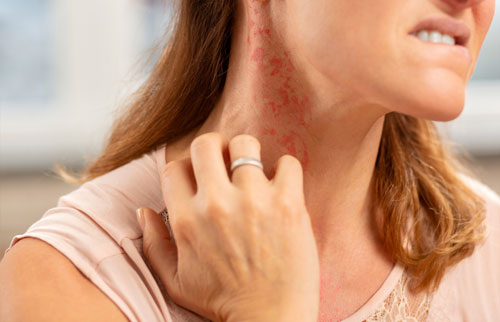
Understanding Leprosy Reactions
Leprosy reactions are not a sign that treatment has failed or that the infection has worsened. Instead, they result from changes in the body's immune response and can occur at any stage of the disease. Immediate medical evaluation is important to prevent nerve damage.
- May occur before, during, or after leprosy treatment
- Can affect the skin and peripheral nerves
- Require prompt diagnosis and treatment
- Can lead to permanent disability if ignored
- Need regular monitoring during recovery
Types of Leprosy Reactions
Two main types of reactions are commonly seen in patients with leprosy.
- Type 1 (Reversal Reaction): Characterized by redness and swelling of existing skin lesions along with painful or swollen nerves.
- Type 2 (Erythema Nodosum Leprosum - ENL): Causes painful red nodules, fever, joint pain, swelling, and inflammation affecting multiple organs in some cases.
- Both conditions require timely medical management to prevent complications.
Common Signs & Symptoms
Symptoms may appear suddenly and should never be ignored.
- Redness and swelling of skin patches
- Painful or tender nerves
- Numbness or increased loss of sensation
- Weakness of hands, feet, or facial muscles
- Painful skin nodules
- Joint pain and swelling
- Fever and fatigue
- Swelling of hands, feet, or face
Diagnosis & Assessment
A thorough evaluation helps determine the severity of the reaction and guides appropriate treatment.
- Detailed medical history
- Clinical examination of skin lesions
- Peripheral nerve assessment
- Muscle strength evaluation
- Sensory testing
- Laboratory investigations when required
- Regular follow-up assessments
Available Treatment Options
Treatment focuses on reducing inflammation, protecting nerves, and preventing permanent disability.
- Anti-inflammatory Medications: To control inflammation and relieve symptoms.
- Corticosteroid Therapy: Often prescribed to reduce nerve inflammation and prevent nerve damage.
- Pain Management: Medications to relieve pain and improve comfort.
- Nerve Function Monitoring: Regular assessment to detect changes early.
- Physiotherapy & Rehabilitation: Exercises to maintain muscle strength and mobility.
- Supportive Care: Education on protecting numb hands and feet from injury.
Why Early Treatment Is Important
Prompt treatment significantly reduces the risk of irreversible nerve damage and disability. Early intervention helps preserve movement, sensation, and independence in daily activities.
- Protects nerves from permanent damage
- Preserves muscle strength and sensation
- Prevents disability and deformity
- Provides faster symptom relief
- Improves long-term quality of life
When Should You Consult a Dermatologist?
Seek immediate medical attention if you notice sudden redness or swelling of skin lesions, nerve pain, numbness, muscle weakness, painful skin nodules, or fever while undergoing or after completing leprosy treatment.
Early diagnosis and timely management can prevent serious complications and help preserve nerve function.
Expert Care with Dr. Surabhi Jain
Dr. Surabhi Jain provides comprehensive evaluation and evidence-based management of leprosy reactions with a focus on early diagnosis, nerve preservation, inflammation control, and rehabilitation. Every patient receives personalized care aimed at preventing disability and supporting long-term recovery.
Book your consultation today for timely reaction management, expert care, and personalized support to protect your skin and nerve health.