
Blogs
Acne & Acne Scars: Causes, Prevention and Advanced Treatment Options
Acne is one of the most common skin conditions affecting teenagers and adults alike. While occasional pimples are normal, persistent acne can lead to inflammation, discomfort, reduced self-confidence, and permanent acne scars if left untreated. Fortunately, modern dermatology offers highly effective treatments that can control acne and significantly improve acne scars.
Understanding the causes of acne and seeking timely treatment can help prevent long-term skin damage and restore healthy, clear skin.
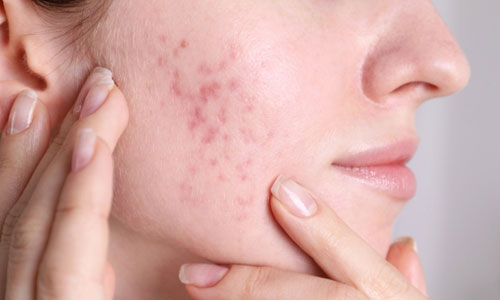
What Causes Acne?
Acne develops when hair follicles become blocked with excess oil, dead skin cells, and bacteria. Several factors can contribute to acne, including hormonal changes, genetics, stress, diet, and certain cosmetic products.
Acne can appear on the face, chest, shoulders, and back, ranging from mild blackheads and whiteheads to painful cystic acne.
Common Types of Acne
- Blackheads: Open pores clogged with oil and dead skin.
- Whiteheads: Closed clogged pores beneath the skin surface.
- Papules: Small red and inflamed bumps.
- Pustules: Pimples filled with pus.
- Nodules: Large, painful lumps beneath the skin.
- Cystic Acne: Severe acne causing deep inflammation and scarring.
Why Early Treatment Is Important
Many people ignore acne, assuming it will disappear on its own. However, untreated acne can lead to permanent scarring, skin discoloration, and emotional distress. Early treatment helps control breakouts, reduce inflammation, and prevent long-term skin damage.
How Can Acne Be Prevented?
- Cleanse your face gently twice daily.
- Avoid squeezing or picking pimples.
- Use dermatologist-recommended skincare products.
- Maintain a healthy lifestyle and manage stress.
- Avoid excessive use of oily cosmetics.
- Protect your skin from excessive sun exposure.
Advanced Treatment Options for Acne
Modern dermatology offers several advanced treatment options depending on the severity and type of acne.
- Medical Treatment: Oral and topical medications to control acne.
- Chemical Peels: Help reduce acne, pigmentation, and improve skin texture.
- Laser Therapy: Targets acne-causing bacteria and reduces inflammation.
- PRP Therapy: Supports skin healing and rejuvenation.
- Microneedling: Stimulates collagen production and improves scars.
- Combination Therapy: Customized treatment plans for optimal results.
Treatment Options for Acne Scars
Acne scars can often be significantly improved with advanced dermatological procedures. Treatment selection depends on the type, depth, and severity of scarring.
- Microneedling with PRP
- Fractional Laser Resurfacing
- Chemical Peels
- Subcision Procedures
- Dermal Fillers for Depressed Scars
- Combination Scar Revision Treatments
When Should You Consult a Dermatologist?
You should consult a dermatologist if your acne is painful, persistent, recurring, causing scars, or affecting your confidence and daily life. Early intervention often provides better outcomes and prevents permanent skin damage.
Consult Dr. Surabhi Jain
Dr. Surabhi Jain provides comprehensive and personalized treatment for acne and acne scars using evidence-based medical therapies and advanced dermatological procedures. Every treatment plan is tailored according to the patient's skin type, severity of acne, and individual goals to achieve healthy, clear, and confident skin.
Book your consultation today for expert evaluation and personalized acne treatment.